
A Thriving Economy Depends on a Workforce That Can Afford to Stay
Mins
Housing Affordability Is a Business Issue
In Q1, Jewel Toned Interiors sponsored the Executives’ Association of Fort Lauderdale Economic Forecast, where Walter Duke III, MAI, CCIM, of Walter Duke + Partners presented his 2026 Broward County Economic Outlook.
Three Gems attended and hosted collaborators and prospective Clients at our table. This created a space for a broader conversation about where our local economy is headed and what continued growth will require from the business community.
Walter’s outlook was encouraging. Broward County was presented as a resilient economic engine with a AAA credit rating, approximately $163 billion in GDP, and continued strength across real estate, tourism, port, marine, airport, and downtown development. His survey of local business leaders reflected that optimism, with 84% of respondents expecting business to improve in 2026.
But, one part of the presentation was difficult to overlook.
Only 5% of families could afford to purchase Broward County’s median-priced home, reported at $635,000 in 2025. Walter also shared that Broward County ranked 67th among Florida’s 67 counties in affordable rental availability for households earning 60% of Area Median Income, with fewer than 25 units available for every 100 households.
That is more than a housing statistic.
It is a business issue.
What We Heard in Q1 Is Showing Up in Real Time
What Walter presented in Q1 was reinforced earlier this month.
At the recent Construction Executives Association event, Habitat for Humanity of Broward brought the housing crisis directly to South Florida’s construction leaders. Their presentation identified Broward County as the nation’s second most cost-burdened county and outlined a pipeline of 339 homes, including 172 homes planned over the next five years and land acquisition for another 167.
The timing matters.
Months after Walter’s economic forecast raised housing affordability as a threat to workforce stability, Habitat Broward showed what that pressure looks like on the ground and what it will take to address it.
Their message was not simply that Broward needs more homes. Habitat’s work spans land acquisition, infrastructure, affordable lending, homeowner education, critical repairs, and long-term support. Their presentation also underscored how heavily meaningful progress depends on corporate partnerships, public-private collaboration, construction expertise, and long-term investment.
Hearing these conversations months apart, but arriving at the same conclusion, makes the issue impossible to separate from the broader business conversation:
If Broward wants to remain economically competitive, the people powering that economy need to be able to afford to live here.
A Strong Workforce Needs a Place to Live
Our local economy depends on people who can reasonably access the communities where they work, raise families, receive services, and build their lives.
Teachers, healthcare workers, hospitality professionals, tradespeople, nonprofit teams, public servants, retail employees, designers, project managers, and many others keep Broward moving every day.
When working families are pushed farther from employment centers, businesses feel the impact. Commutes get longer. Recruitment becomes harder. Retention becomes more fragile. Financial pressure increases, and both productivity and quality of life suffer.
Walter’s survey reinforced that connection. Costs and inflation were identified as the greatest business headwind among respondents, followed by labor shortages and insurance, with housing affordability for employees registering as a direct concern.
This is where housing stops being someone else’s problem.
It becomes part of workforce strategy.
JTI Is Seeing the Momentum Firsthand
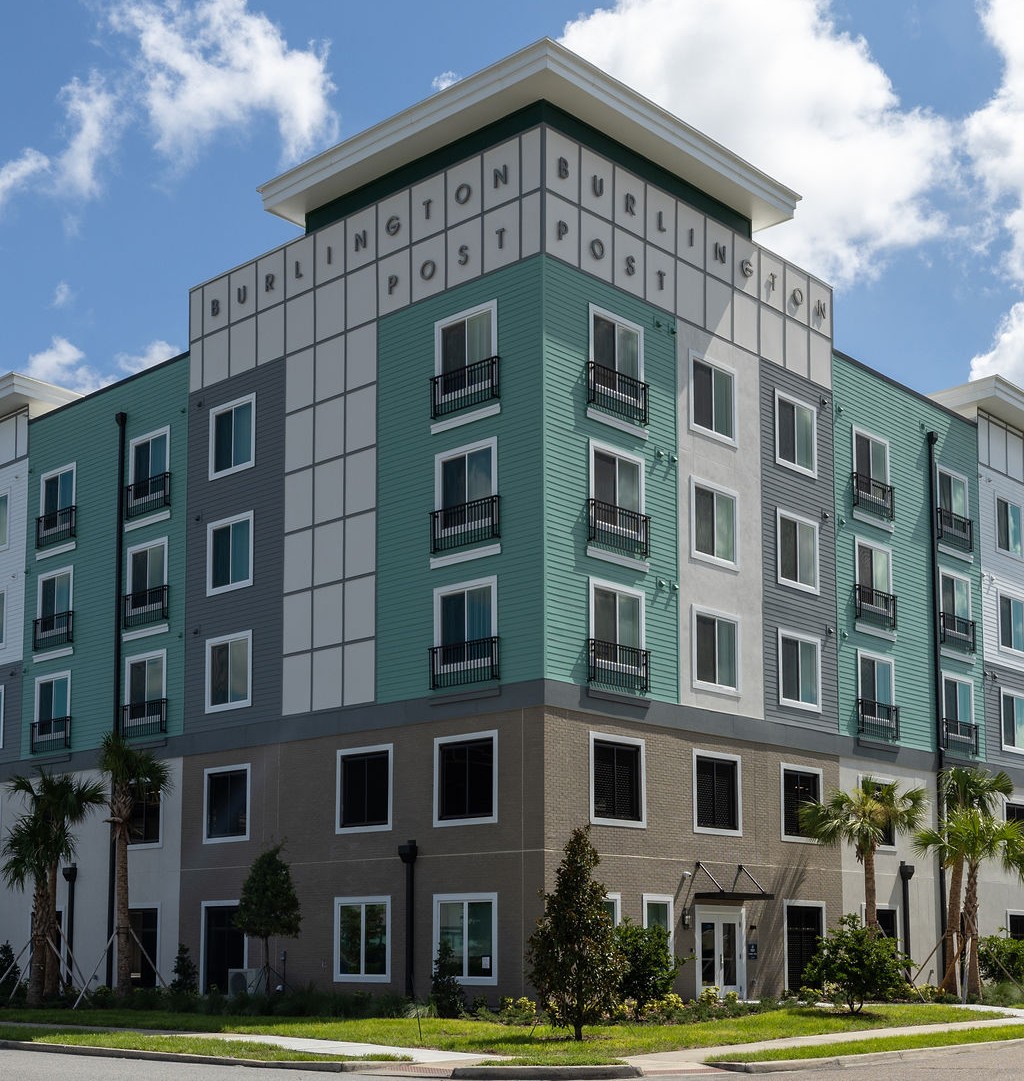
At JTI, we are seeing increased activity in the affordable housing space through our work.
Since the beginning of the year, we have signed multiple new affordable housing projects, with several more already on the books. That momentum is encouraging because it reflects real investment, stronger collaboration, and a growing recognition of the need.
Our perspective also extends beyond housing through work with organizations such as Ann Storck Center and Arc Broward, where we see how housing, accessibility, employment, wellness, and community services intersect.
These are not separate challenges.
A lack of attainable housing can affect a family’s stability, an employee’s ability to remain in a role, and an organization’s ability to recruit, retain, and serve effectively.
Habitat’s presentation reinforced that broader connection. The program shared research showing that affordable homeownership can influence health, education, financial confidence, family stability, wealth creation, neighborhood values, employment rates, and the tax base.
Housing sits beneath many of the outcomes businesses value most.
Affordability Cannot Mean Less Humanity
For those of us responsible for shaping the built environment, there is another important part of the conversation.
Affordable housing must work financially and operationally. Budgets are real. Durability matters. Maintenance matters. Constructability matters.
But none of those realities eliminate the need for thoughtful design.
Affordability cannot mean sacrificing dignity.
Good design is not about adding unnecessary cost. It is about making better decisions with the resources available.
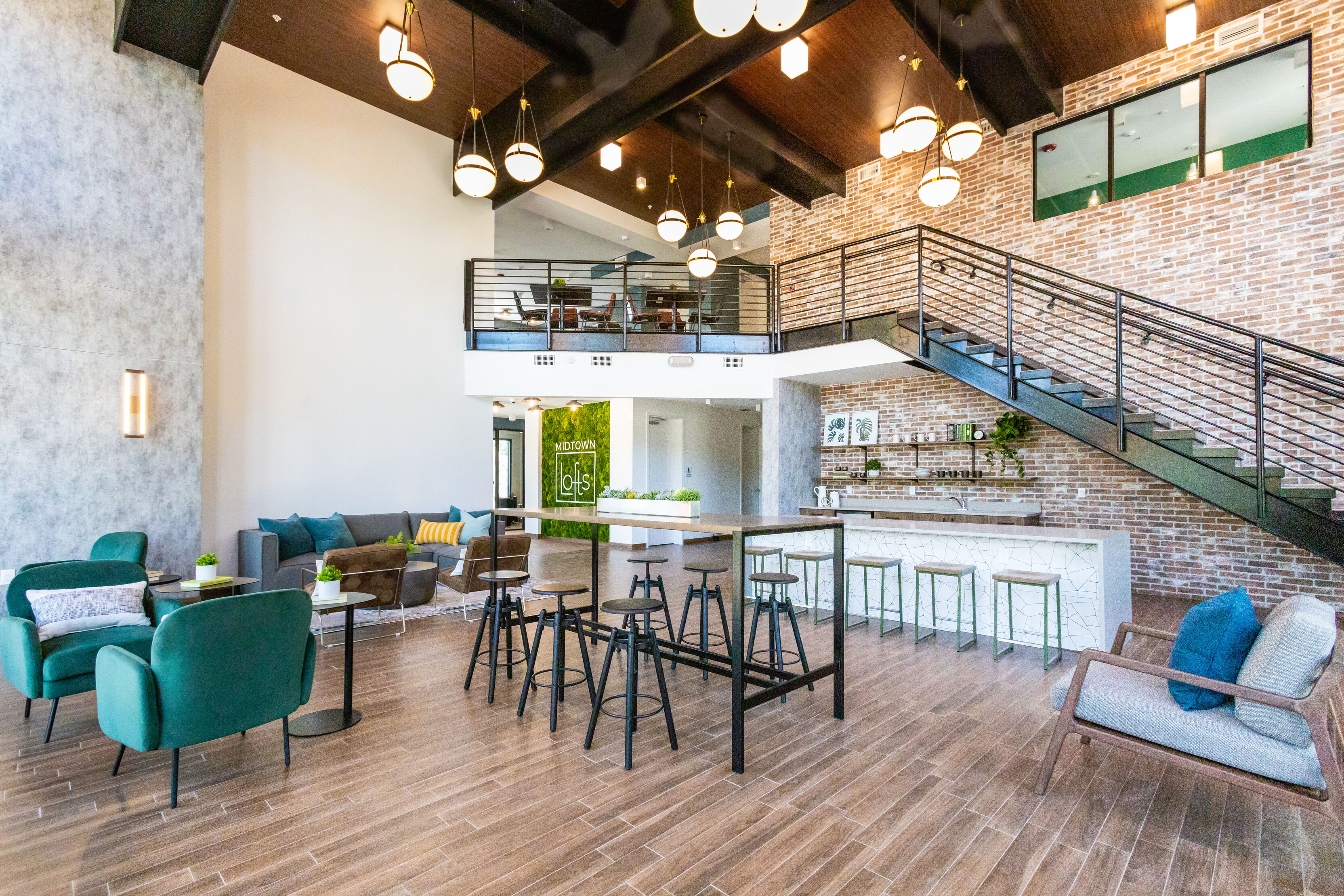
Shared spaces can support connection. Clear circulation can improve accessibility. Durable materials can still feel intentional. Natural light, acoustics, color, furnishings, and wayfinding can influence wellness, comfort, and pride of place.
When architects, interior designers, contractors, developers, and operators collaborate early, better decisions can be made before they become expensive.
That is where design becomes more than aesthetics. It becomes part of the long-term performance of the community.
The Business Community Has a Role to Play
The consistency between Walter Duke’s Q1 Economic Forecast and Habitat Broward’s presentation this week is important.
One framed the issue through economic data. The other showed what action can look like.
Habitat Broward has built 623 homes for hardworking Broward County families since its founding and is continuing to expand through public-private partnerships, land development, construction, financing, and homeowner support. Its presentation also made a direct appeal to the construction and business community to participate through sponsorship, in-kind support, volunteerism, and industry leadership.
That is the opportunity in front of Broward’s business leaders.
We cannot continue to separate conversations about economic development from conversations about where our workforce will live.
A company can create jobs, expand operations, and invest in South Florida, but if the people required to support that growth cannot afford to remain here, the model becomes increasingly difficult to sustain.
This is bigger than the development industry.
It affects healthcare, education, hospitality, construction, professional services, nonprofits, retail, government, and nearly every sector that depends on people showing up every day to keep our region moving.
Broward County has tremendous economic momentum. Preserving it requires us to think beyond the next project or hiring cycle and recognize housing as part of the infrastructure that supports a strong economy.
The strength of our economy depends on the stability of the people behind it.
Housing affordability is a workforce issue. It is an economic issue. It is a community issue.
And it is a leadership opportunity for every business in Broward County.



_Photoshopped%20(1).jpg)



.jpg)